
Taming the Bubbles A Guide to Controlling Foam in MBBR Systems
Taming the Bubbles A Guide to Controlling Foam in MBBR Systems
Moving Bed Biofilm Reactors (MBBR) stand out as a highly efficient and compact solution for wastewater treatment. Yet, one persistent challenge plagues operators worldwide: excessive foam generation. This seemingly minor issue can disrupt treatment efficiency, trigger system overflows, and create safety hazards—making foam control a critical factor for unlocking the full potential of MBBR technology.
The Science Behind MBBR Foaming
Foam formation in MBBR systems rarely stems from a single cause; it’s often the result of overlapping factors. High levels of biological activity within the reactor, combined with surfactants or fats, oils, and grease (FOG) in incoming wastewater, lay the groundwork for foam development. Operational imbalances, such as sudden spikes in organic loading, can further amplify the problem. In many cases, the root cause is the proliferation of filamentous bacteria—microorganisms that produce stable, hydrophobic foam that resists natural breakdown.
Proven Strategies to Tame Foam
Controlling foam effectively requires a holistic, multi-faceted approach that addresses both immediate issues and long-term system health. Here are the industry’s most reliable strategies:
Optimize Core Operational Parameters
Start with the basics: review and adjust key process controls. Excessive aeration is a top driver of foaming, so calibrating aeration rates to match the system’s design specifications is critical. Additionally, ensuring organic loading rates stay within the reactor’s capacity prevents shock loads that fuel the growth of foam-forming microbes.
Deploy Targeted Chemical and Biological Aids
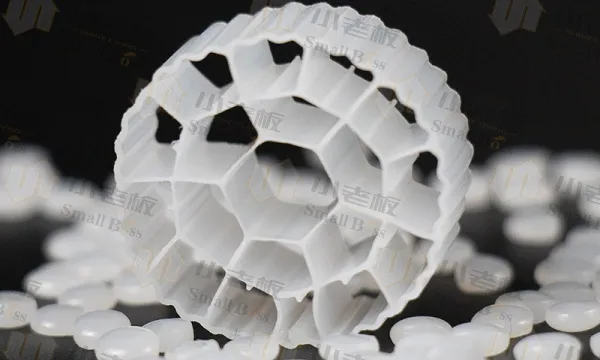
For rapid foam reduction, chemical antifoaming agents are a go-to solution. Silicone or organic-based formulas can quickly collapse existing foam, but precise dosing is essential to avoid coating MBBR biofilm media and hindering treatment. For sustainable, long-term control, biological antifoam products alter surface tension without harming the vital microbial community.
Leverage Mechanical and Physical Interventions
Proactive system design includes built-in foam-fighting tools. Mechanical foam breakers, water spray systems, and surface skimmers provide direct physical action—knocking down foam and removing it from the reactor surface before it accumulates and causes issues.
Prioritize Biological Stability
Long-term foam control hinges on a healthy microbial ecosystem. Maintain proper nitrogen and phosphorus balances to discourage filamentous bacteria growth. High-quality MBBR media supports a diverse, balanced microbial population that acts as the best defense against persistent biological foaming.
Conduct Regular Maintenance
FOG build-up exacerbates foam problems over time. Implementing routine cleaning protocols to remove accumulated fats, oils, and grease prevents this buildup and keeps the system running smoothly.
Conclusion
Foam in MBBR systems is not an insurmountable challenge—it’s a manageable one. By combining operational adjustments, targeted chemical and biological aids, mechanical interventions, and proactive maintenance, operators can successfully “tame the bubbles.” This systematic approach ensures MBBR systems maintain the high treatment efficiency that has made them a preferred choice for modern wastewater treatment facilities worldwide.


