
MBBR Technology Advanced Biofilm Carriers for Efficient Wastewater Treatment
In wastewater treatment, MBBR wastewater treatment is an innovative solution, merging activated sludge and biofilm tech for higher efficiency. Core to MBBR products are high-performance suspended carriers that boost microbial growth and pollutant removal, fitting municipal and industrial needs.
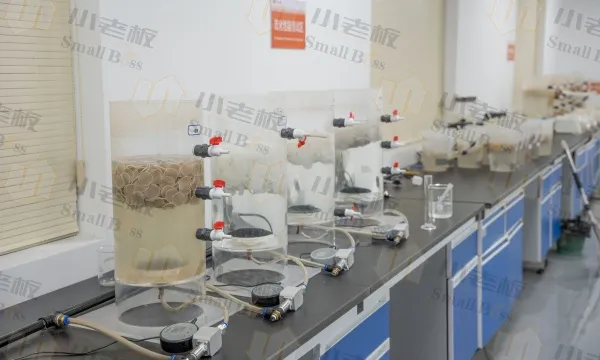
MBBR products depend on MBBR biofilm carriers fluidized by aeration. This forms a gas-liquid-solid environment enhancing mass transfer and oxygen use. Their dynamic movement avoids clogging, ensuring uniform biofilm and long-term stability.
Top MBBR products enable simultaneous nitrification and denitrification (SND). Each MBBR biofilm carrier is a mini-unit: aerobic bacteria on the surface break organics/nitrify, while anaerobic bacteria inside denitrify. This saves space by skipping anoxic tanks and resists shock loads, critical for industry.
MBBR carrier selection is vital. Key criteria: biofilm adhesion, surface properties (rough, hydrophilic, positive charge) and fluidization. Optimal carriers have high surface area; K3-type works well for high-load cases like food/petrochemical wastewater.
Mature biofilm boosts efficiency: uniform distribution (dense surface, light exterior), dark color, and microbial diversity (dominated by Vorticella) ensure effective COD/BOD/nitrogen removal, meeting discharge standards.
Vs MBR, MBBR has lower costs: less energy, no membrane maintenance. Ideal for retrofitting. Industrial MBBR systems cost-effectively handle high-concentration/toxic pollutants.
In short, MBBR products are versatile, with MBBR biofilm carriers as core. Prioritizing MBBR carrier selection cuts costs and boosts reliability, suiting municipal (space-saving) and industrial needs.


