
High Efficiency MBBR Retrofits for Wastewater Treatment Plant Upgrades
Release Time:2026-01-23
Many wastewater treatment plants WWTPs face common challenges limited tank capacity aging infrastructure fluctuating influent loads and increasingly stringent discharge regulations Conventional civil construction for capacity expansion is costly time-consuming and disruptive to ongoing operations
Moving Bed Biofilm Reactor MBBR retrofitting has emerged as a proven cost-effective solution to upgrade existing facilities without extensive reconstruction.
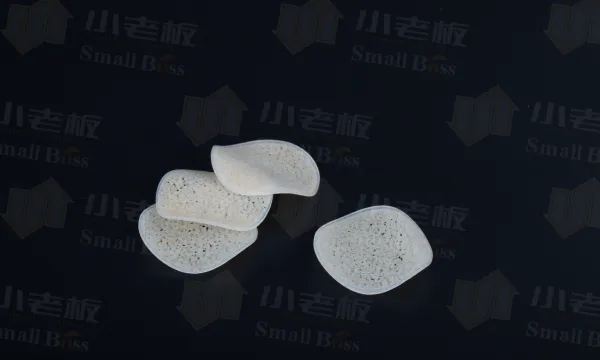
Key Benefits of MBBR Retrofitting for WWTPs
1 Boost Biological Treatment Capacity Without Tank Expansion
MBBR technology integrates biofilm carriers into existing tanks creating a large protected surface area for microbial growth This enables a significant increase in treatment capacity without enlarging tank volumes a game-changer for plants constrained by footprint or civil work limitations
2 Superior Effluent Quality & Process Stability
The attached-growth biofilm in MBBR systems supports higher biomass concentrations and enhanced process resilience delivering
- Efficient BOD & COD removal
- Strengthened nitrification and denitrification
- Improved stability against hydraulic organic shock loads
Compared to conventional activated sludge systems MBBR minimizes sludge bulking and settling issues
3 Seamless Integration with Existing Processes
MBBR adapts flexibly to diverse treatment configurations including
- Upgrading conventional activated sludge tanks
- Adding polishing stages for ammonia total nitrogen removal
- Hybrid IFAS systems combining suspended attached biomass
This flexibility lets plant operators tailor upgrades to site-specific needs with minimal disruption
Critical Engineering Considerations for MBBR Retrofitting
1 Feasibility & Process Assessment Conduct a detailed analysis of influent characteristics loading rates treatment objectives and existing tank hydraulics Pilot testing is recommended for complex or industrial wastewater applications
2 Carrier Selection & Filling Ratio Choose the right biofilm carrier type and surface area Typical filling ratios range from 20–50% based on treatment goals and tank design
3 Mixing & Aeration Design Ensure adequate mixing to keep carriers in motion prevent dead zones For aerobic zones optimize aeration systems for oxygen transfer for anoxic zones size mechanical mixing appropriately
4 Installation Planning Schedule retrofits during low-flow periods Modular installation and phased commissioning reduce plant downtime and operational risk
A Practical Path to WWTP Modernization
MBBR retrofitting offers wastewater treatment plants a reliable pathway to modernize operations elevate effluent quality and meet future regulatory demands all while controlling capital and operational costs
With proper engineering design and implementation MBBR technology delivers long-term performance improvements that align with sustainability and compliance goals


