
Step by Step Guide to Retrofitting Activated Sludge Plants to MBBR for Capacity Expansion
Conventional activated sludge (CAS) plants commonly face capacity shortages and limited expansion space. Retrofitting CAS systems to MBBR (Moving Bed Biofilm Reactor) is a reliable, cost-effective upgrade solution. It maximizes the use of existing infrastructure, eliminates massive reconstruction work, and effectively improves wastewater treatment capacity. This article presents a clear, step-by-step MBBR retrofit workflow for plant capacity expansion.
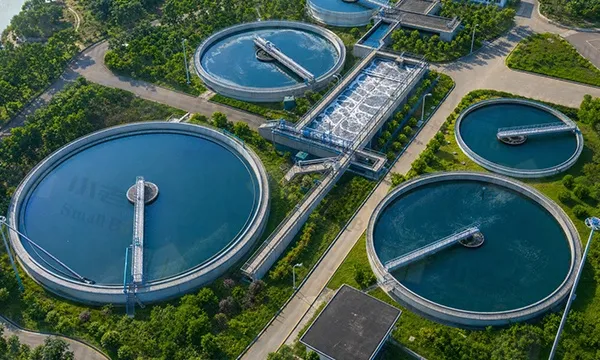
1. Assess Existing Plant Infrastructure
Complete a systematic pre-retrofit site evaluation to lay a solid foundation for stable upgrading. Inspect key facilities including tank specifications, effective water volume, aeration output, oxygen supply efficiency, and clarifier separation performance.
Analyze historical operating data, peak water flow, and pollutant load fluctuations to confirm the plant’s expandable capacity and develop a targeted, feasible retrofit scheme.
2. Choose the Right MBBR Retrofit Mode
Two mature retrofit modes are available to match different site conditions and expansion requirements:
In-situ Retrofit: Upgrade original CAS tanks directly with MBBR carriers and retention screens. No new civil construction is required, perfectly suited for plants with limited land and budget constraints.
Side-stream Retrofit: Add independent MBBR treatment trains beside existing units. This mode is ideal for large-scale capacity expansion to significantly improve overall treatment load capacity.
3. Install Professional Media Retention Screens
Carrier loss is a major hidden danger for stable MBBR operation. Install 2–3mm precision outlet screens at reactor outlets to firmly trap floating biofilm carriers.
Custom screens adapt to on-site tank flow conditions, ensuring smooth water flow, anti-blockage performance, and zero system failure caused by carrier leakage.
4. Upgrade Aeration System for Full Media Fluidization
Different from traditional CAS processes, MBBR requires full fluidization of suspended carriers to ensure sufficient contact between microbes and sewage. MBBR systems need 20–30% higher air volume than original activated sludge aeration systems.
Test on-site aeration capacity in advance, then upgrade blowers and optimize aeration layout to achieve uniform airflow, complete carrier fluidization, and no tank sedimentation.
5. Adopt Phased Train-by-Train Conversion
Full plant shutdown will lead to operational interruption and environmental overflow risks. The safest and most efficient method is phased transformation.
Retrofit one treatment train at a time while keeping other units in normal operation. This ensures continuous sewage treatment and stable effluent quality throughout the construction period.
6. Realize Smooth Upgrading via IFAS Hybrid Transition
For plants pursuing gradual and ultra-stable upgrading, the IFAS hybrid mode is the optimal choice. It retains partial activated sludge systems while adding MBBR biofilm carriers.
The hybrid system integrates the high shock resistance of biofilms and the fine polishing effect of suspended sludge. It supports seamless CAS-to-MBBR transition and allows full MBBR upgrading in future iterations.
7. Gradual Media Filling & Scientific Commissioning
Rapid carrier filling will cause system operation instability. Follow standard commissioning specifications: start with a 30% carrier filling ratio, and gradually increase to the designed target within 2–3 weeks.
This gradual operation enables stable biofilm cultivation, reduces load fluctuations, and helps the system quickly reach optimal treatment performance.
Small Boss One-Stop MBBR Retrofit Advantages
Small Boss provides full-set customized MBBR retrofit packages for activated sludge plant capacity expansion. Our complete solutions cover precision retention screens, high-efficiency MBBR carriers, professional aeration accessories, and full-process technical support.
We offer full-cycle services including on-site assessment, personalized scheme design, equipment supply, on-site installation guidance, and system commissioning training. Our retrofits help customers save reconstruction costs, shorten project cycles, and achieve stable improvement of treatment capacity and effluent quality. Contact us if you have any needs!
Conclusion
MBBR retrofitting is an efficient, economical, and low-disruption solution for activated sludge plant capacity expansion. By following standardized transformation procedures and relying on professional technical support, sewage treatment plants can effectively break capacity bottlenecks, upgrade overall treatment performance, and meet increasingly stringent environmental discharge standards.


