
Can the Right MBBR Bio Media Improve RAS Project Efficiency
Can the Right MBBR Bio Media Improve RAS Project Efficiency
When discussing RAS (Recirculating Aquaculture Systems) performance, most industry professionals focus on core equipment like tanks, pumps, oxygen cones, or drum filters. However, one critical component is often overlooked—MBBR bio media—and its ability to directly boost the overall efficiency of RAS projects. The answer to this often-ignored question is clear: yes, the right MBBR media can significantly enhance system performance.
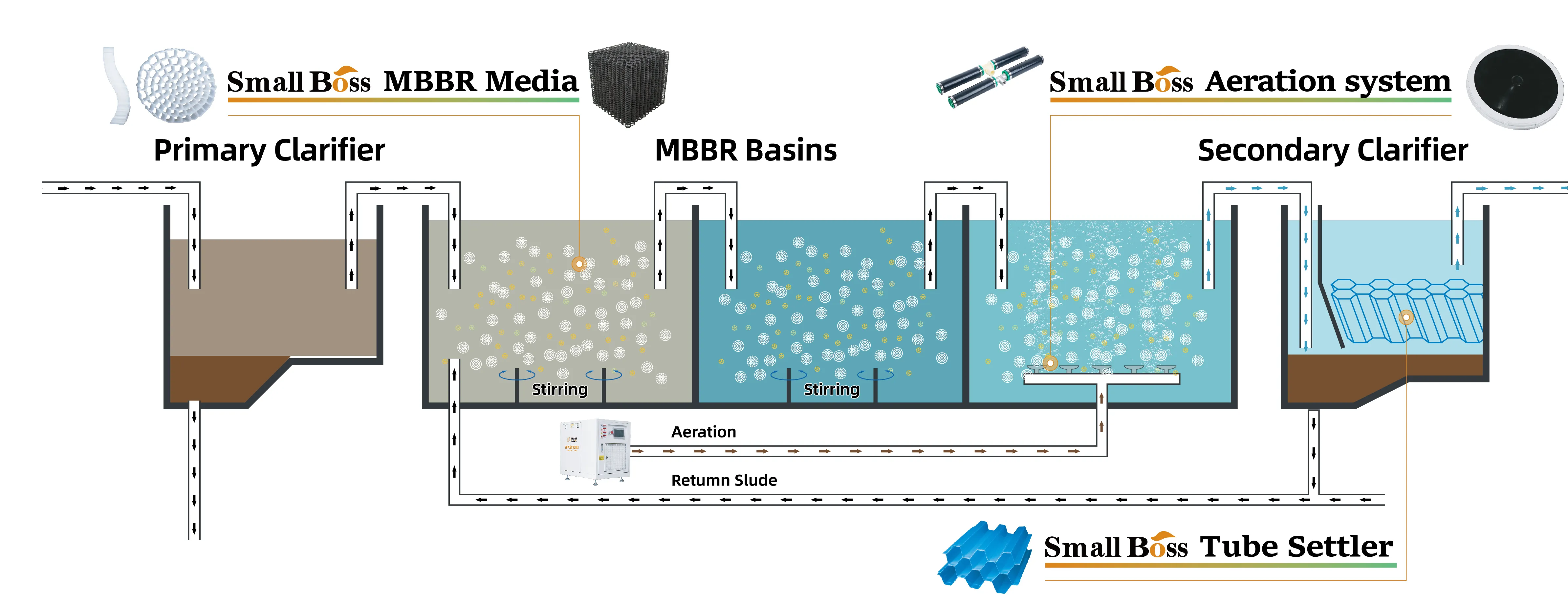
Efficiency in RAS Is More Than Energy Saving
In aquaculture, efficiency encompasses far more than just energy conservation. It includes:
l Superior ammonia control to maintain water quality
l Faster system stabilization, reducing start-up time
l Lower maintenance pressure for operators
l Optimal fish growth conditions to boost yields
l Reduced operational risk and downtime
l More compact treatment design, saving space
A properly selected MBBR bio filter media contributes to all these aspects, making it a cornerstone of efficient RAS operations.
1. More Biomass in Less Space
One of the greatest advantages of MBBR technology is its ability to support large volumes of active biomass in a relatively compact reactor. This is made possible by high-quality MBBR media for RAS, which provides ample surface area for beneficial bacteria to attach and thrive. For RAS designers, this means achieving robust biological treatment without the need for oversized bio filter tanks—a game-changer for commercial aquaculture projects where space and system integration are top priorities.
2. Better Process Reliability
A high-performance MBBR bio media fosters a healthier, more active biofilm, enhancing the system’s resilience to common challenges in aquaculture, such as:
l Daily feed fluctuations that impact water chemistry
l Sudden increases in biomass
l Temporary water quality shocks
l Critical start-up and transition periods
The result is a more reliable bio-filtration process, minimizing the risk of system failures and ensuring consistent water quality.
3. Lower Long-Term Operational Burden
In real-world fish farming operations, simplicity and reliability are key to success. MBBR media with an optimized structure and movement characteristics helps reduce common operational pain points, including:
l Clogging issues that disrupt flow and treatment
l Uneven flow distribution in bio filters
l Excessive manual cleaning and maintenance
l bio filter instability that threatens fish health
This allows operators to spend less time troubleshooting and more time focusing on core production tasks, improving overall operational efficiency.
4. Better Fish Environment
Ultimately, every upgrade to RAS treatment systems should prioritize one goal: creating a healthier living environment for fish. When MBBR bio filter media performs efficiently, the system maintains stable water quality—supporting healthier fish, reducing mortality rates, and delivering more consistent production results.

Final Thought
While MBBR bio media may seem like a small component in a RAS project, its impact on overall efficiency is substantial. The right MBBR media enhances biological performance, boosts operational stability, and optimizes the entire system. In high-performance RAS design, the quality of MBBR bio filter media is never a minor detail—it’s a critical factor that directly influences project success.
Partner with SmallBoss
Choosing the right MBBR bio media is key to RAS success. SmallBoss specializes in high-performance MBBR media designed for greater biomass, less clogging, and lower operational costs. If you're looking to boost your RAS project efficiency, feel free to contact us.


