
The MBBR Process: Transforming Wastewater Treatment Efficiency
Wastewater treatment has long been a cornerstone of environmental management, but with rising populations and industrial demands, innovative solutions are needed. The Moving Bed Biofilm Reactor (MBBR) process has emerged as a transformative technology, addressing challenges with scalability, efficiency, and sustainability.
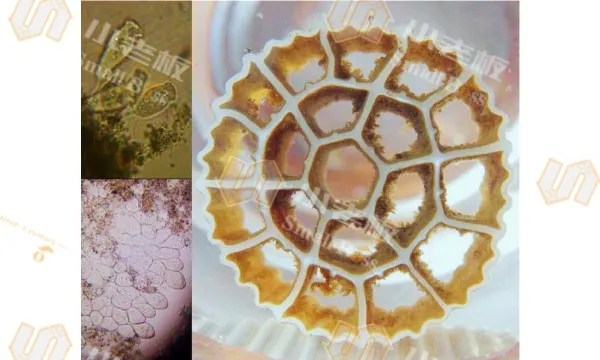
What Makes MBBR Unique?
Unlike traditional systems, MBBR relies on biological treatment through specialized carriers that float freely in a reactor tank. These carriers, often made of durable plastic materials, provide an immense surface area for biofilm development, enabling microorganisms to thrive.
Key operational steps include:
1. Biofilm Formation: Microbes attach to the carriers, forming a biofilm that digests organic material and pollutants.
2. Continuous Movement: The carriers are kept in motion by aeration (in aerobic systems) or mechanical mixing (in anaerobic systems), ensuring uniform treatment.
3. Seamless Separation: Treated water is separated from the carriers using screens, making the process efficient and maintenance-friendly.
Applications Across Industries
MBBR technology is not limited to municipal wastewater treatment. It’s increasingly applied in:
· Industrial Wastewater: Handling high-strength effluents, such as those from food processing and petrochemical plants.
· Hospital Wastewater: Removing micropollutants and pharmaceuticals.
· Aquaculture: Maintaining water quality by managing ammonia and organic waste.
Future Potential
As water scarcity and stricter environmental regulations continue to challenge industries and municipalities, MBBR stands out as a sustainable, low-footprint solution. Research into new carrier designs and hybrid systems (like MBBR combined with membrane bioreactors) promises to unlock even greater efficiency.
Reating Reading:WHY MBBR TECHNOLOGY?


