
MBBR vs Activated Sludge Which is Better for Your Facility
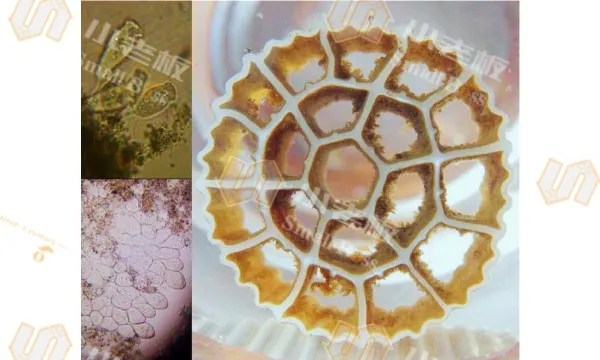
Choosing the optimal wastewater treatment technology is critical for municipal or industrial plants. This comparison analyzes two leading solutions: Moving Bed Biofilm Reactor (MBBR) and Activated Sludge Process (ASP) to determine the best fit.
MBBR and Activated Sludge Overview
MBBR Technology
The MBBR system uses plastic carriers that move freely in reactors cultivating biofilm reactor microorganisms. Its compact design requires minimal space and handles load variations efficiently.
Activated Sludge Process
ASP suspends microbial flocs in aeration tanks consuming organic matter. This proven sludge process excels in nutrient removal but demands significant space and operational expertise.
Key Differences Compared
| Feature | MBBR | Activated Sludge |
| System Footprint | Compact design | Large space required |
| Maintenance Needs | Low complexity | Sludge management intensive |
| Load Variation Tolerance | High resistance | Sensitive to fluctuations |
| Energy Consumption | Moderate | High (aeration/sludge return) |
When to Choose MBBR
- Space-limited facilities
- Need low-maintenance wastewater treatment
- Frequent influent fluctuations
- Retrofitting existing plants
When to Choose Activated Sludge
- Advanced nutrient removal required
- Trained operators available
- Sufficient land and budget
- High-volume treatment needs
Decision Factors
Select based on space constraints, operational expertise, budget, treatment goals, and scalability. Both MBBR and Activated Sludge offer robust solutions for different scenarios.
Relating Reading:MBBR Technology Revolutionizes Aquaculture and Wastewater Treatment


