
MBBR: A Simple Guide to Efficient Wastewater Treatment
In today's world, effective and efficient wastewater treatment is more critical than ever. Whether for municipal sewage or industrial effluent, businesses and communities are seeking reliable, compact, and cost-effective solutions. This is where Moving Bed Biofilm Reactor (MBBR) technology shines. But what exactly is MBBR, and why is it such a popular choice?
What is MBBR Technology?
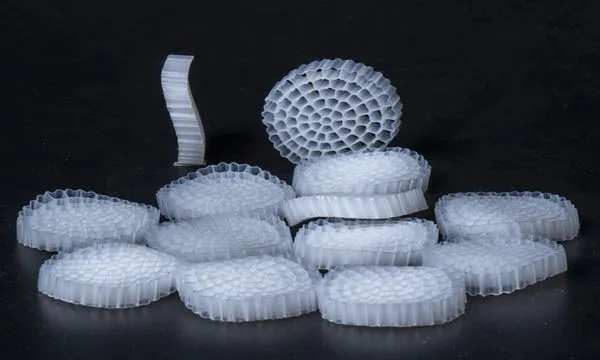
MBBR is a biological wastewater treatment process that uses thousands of small, floating plastic carriers (or media) within an aerated tank. These carriers provide a large surface area for beneficial microorganisms (the "biofilm") to grow and thrive. As these carriers are constantly moving and mixing in the water, the microorganisms come into continuous contact with the organic pollutants, effectively consuming them as their food source. This process efficiently breaks down waste, resulting in cleaner water.
How Does It Work?
The core of the MBBR system is the specially designed plastic biofilm carriers. Their high surface-area-to-volume ratio allows a massive population of treatment bacteria to develop in a relatively small tank. Air bubbles from diffusers (or mechanical mixers in anoxic zones) keep these carriers in constant motion, ensuring optimal contact between the wastewater and the biofilm without any risk of clogging.
This setup operates within a single tank without needing a return sludge stream, simplifying the process compared to conventional systems. The system self-regulates the amount of biofilm, making it incredibly stable and easy to operate.
Key Advantages of Choosing MBBR
Compact & Saves Space: MBBR offers an exceptionally high treatment capacity within a small footprint. It can achieve up to five times the surface area for bacterial growth compared to traditional systems, making it ideal for upgrades or sites with limited space.
Robust & Reliable: The large, active biomass is highly resilient to sudden changes in load or flow, such as toxic shocks or variations in organic input. This ensures consistent treatment performance and effluent quality.
Low Maintenance & Easy Operation: With no moving parts inside the tank (besides the carriers) and no need for recycling sludge or backwashing, MBBR systems are simple to manage, reducing operational complexity and costs.
Scalable and Flexible: MBBR is a modular technology. It can be easily retrofitted into existing treatment plants to increase capacity or improve effluent quality. It's also highly effective for targeted treatment, such as nitrogen removal.
Where is MBBR Used?
MBBR is a versatile solution applied across numerous sectors:
Municipal Wastewater Plants: For upgrading and expanding existing facilities.
Food & Beverage Industry: Treating high-strength organic wastewater.
Chemical & Pharmaceutical Industries: Handling complex and variable waste streams.
Marine and Offshore Applications: Compact sewage treatment on ships and platforms.
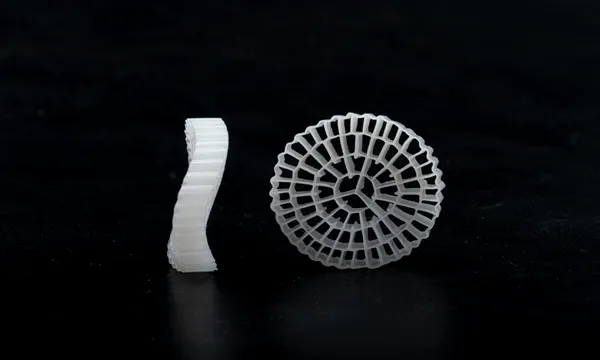
1. Strictly select brand-new HDPE raw materials, which have been certified as food-grade by the US FDA. Special modifications include the addition of hydrophilic genes, UV resistance, and other formulas.
2. With over 100 high-speed extrusion lines, we have established an efficient production capacity system, achieving an annual output of over 360,000 cubic meters of MBBR filler. This allows us to quickly respond to orders for large-scale projects, such as those involving tens of thousands of tons.
3. The company is a high-tech enterprise integrating formula, mold design, production, and logistics, capable of customized production to meet diverse customer needs.
4. For different process characteristics such as aerobic and anaerobic processes, specially designed and adapted MBBR fillers are used to optimize the microbial growth environment and enhance treatment efficiency.
In summary, MBBR technology represents a smart, efficient, and future-proof investment in wastewater treatment. By harnessing the power of a moving biofilm, it delivers outstanding performance, operational simplicity, and significant cost savings, making it an excellent choice for modern treatment challenges.


