
How to Select PVC Compound for Wire and Cable Jackets
A cable jacket compound should be selected from the finished cable requirement backward. Start with the cable construction, installation environment, applicable standard and required evidence. Then define material tests, run an extrusion trial and confirm the finished cable. A generic hardness or temperature label is not enough to make that decision.
This guide helps cable manufacturers, buyers and engineers compare a PVC compound for cable jacket applications. It does not assign a universal grade. It shows which inputs should be agreed before sampling a candidate.
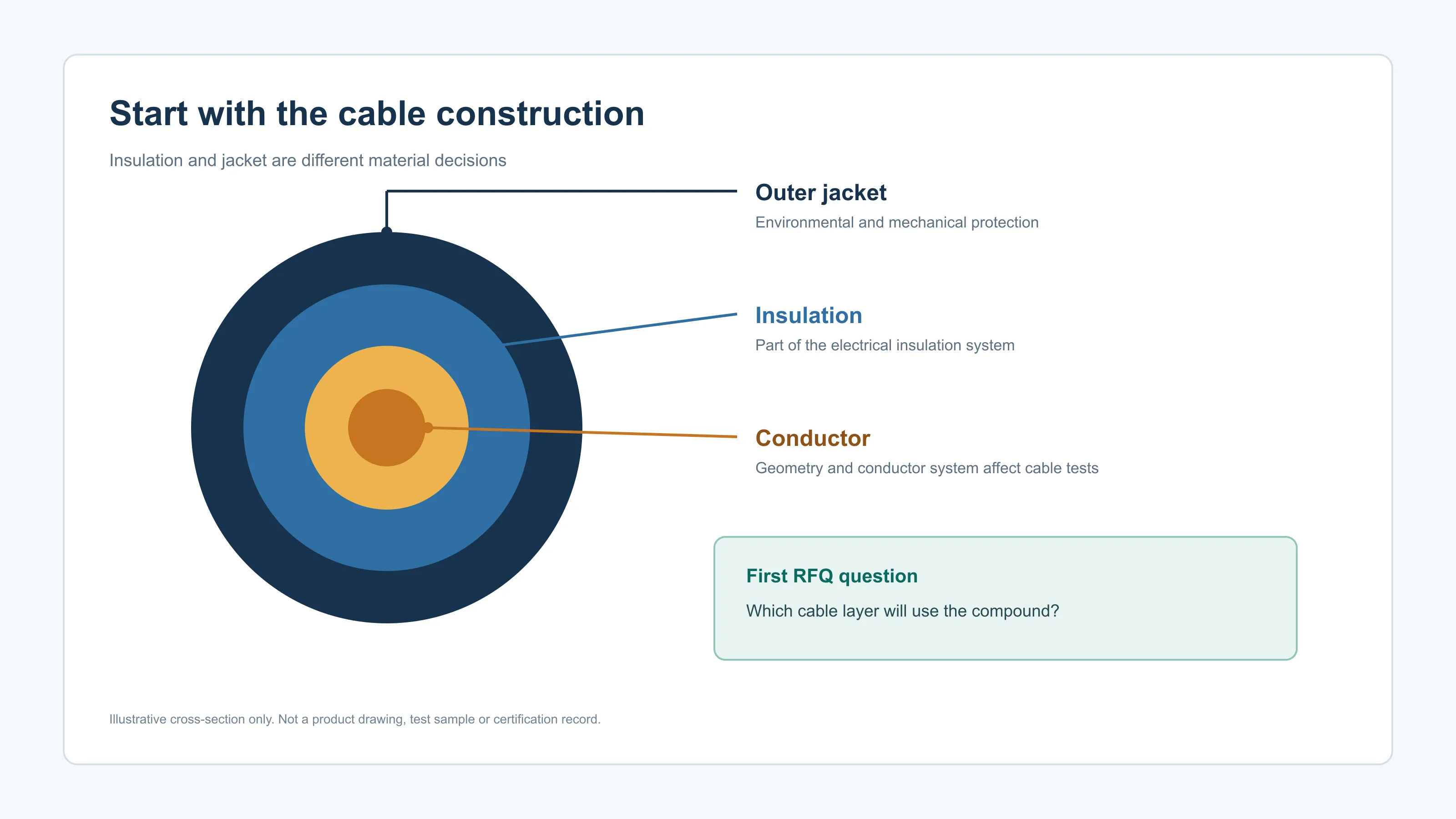 Figure 1. Cable construction boundary. Illustration only; layer count and geometry vary by cable design.
1. First confirm whether the PVC is insulation or jacket
Insulation surrounds a conductor and is part of the electrical insulation system. A jacket is the outer protective layer around the cable construction. These layers can require different electrical, mechanical, environmental and marking evidence. The request should therefore state whether the compound will be used for primary insulation, an inner sheath, bedding or an outer jacket.
| Question | Why it changes material screening | Evidence to request |
|---|---|---|
| Which cable layer? | Insulation may place greater emphasis on electrical properties; a jacket may place greater emphasis on abrasion, oil, sunlight and environmental exposure. | Cable construction drawing and layer function |
| Which finished cable type? | Building wire, appliance wiring, flexible cord, industrial cable and communication cable can follow different product standards and markings. | Target standard, type designation and target market |
| Fixed or repeated movement? | A fixed installation and a continuously flexing application do not impose the same bending, abrasion or low-temperature requirements. | Installation description and movement profile |
2. Convert the service environment into test requirements
The next step is to describe where and how the finished cable will operate. A statement such as "outdoor grade" or "oil resistant" is incomplete unless the exposure, test method and acceptance criterion are identified. The same applies to temperature: dry and wet ratings, continuous and short-term conditions, conductor heating and ambient temperature should not be mixed into one number.
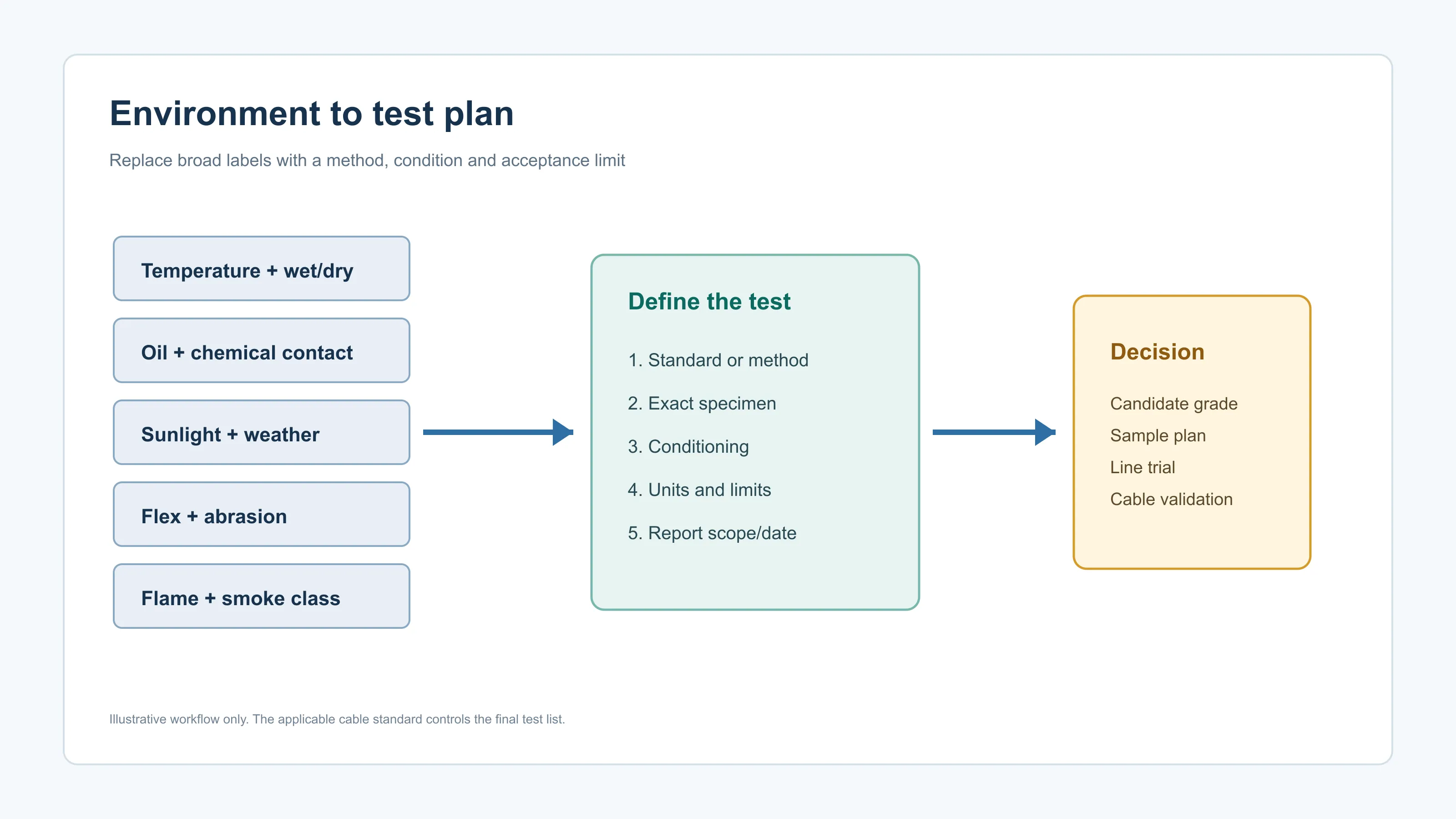 Figure 2. Translate the actual service environment into a project-specific test list.
| Service input | Clarify before sampling | Possible evidence category |
|---|---|---|
| Temperature and moisture | Dry or wet location, continuous rating, low-temperature handling, heat ageing condition | Applicable material method plus finished-cable requirement |
| Oil, gasoline or chemicals | Fluid identity, concentration, temperature, contact duration and permitted property change | Specified immersion test and acceptance limits |
| Sunlight and weather | Indoor or outdoor use, exposure duration, colour, installation orientation and product marking | Applicable weathering or sunlight-resistance requirement |
| Mechanical duty | Fixed, occasional flex or continuous movement; abrasion points; bend radius; installation method | Tensile, elongation, low-temperature and cable-level mechanical tests |
| Fire and smoke | Single wire, cable tray, riser, plenum or another defined finished-cable classification | The exact cable flame/smoke method required by the target standard |
| Restricted substances | Destination market, product category, applicable exemptions, restricted-substance list and reporting date | Current report for the exact grade and declared scope |
For a preliminary discussion, these variables are more useful than a long list of unreferenced properties. They allow the supplier and cable manufacturer to identify which values are confirmed, which are assumptions, and which still require testing.
3. Build a test plan, not a collection of marketing numbers
The IEC 60811 series covers test methods for non-metallic materials used in electric and optical cables. The series follows a "one test, one part" structure. Therefore, writing only "IEC 60811 compliant" does not identify the test performed, the specimen, conditioning, units or acceptance limit. A useful request names the relevant part or customer method and records the result against an approved specification.
A cable jacket screening plan may include hardness, tensile strength and elongation, heat ageing, low-temperature behaviour, heat shock or pressure at elevated temperature, mass loss, oil immersion, thickness, colour and restricted substances. The list is not universal. Electrical tests can be critical for insulation compounds, while jacket selection may be driven by environmental and mechanical exposure. The finished-cable standard determines the final set.
Hardness is also a formulation and processing input, not a complete performance grade. Two compounds with a similar Shore A value may differ in ageing response, surface friction, extrusion window or migration behaviour. Compare specimens tested by the same method and condition, then confirm the result on the intended cable construction.
4. Separate compound evidence from finished-cable certification
Material recognition can support a cable certification program, but it does not automatically certify every cable made from that material. UL Solutions describes separate recognition categories for wire and cable compounds. Its QMTM2 program, for example, characterizes plenum cable compounds but does not conduct safety or performance testing of the finished cable. Other recognized-component programs may reduce selected material tests when their conditions are met.
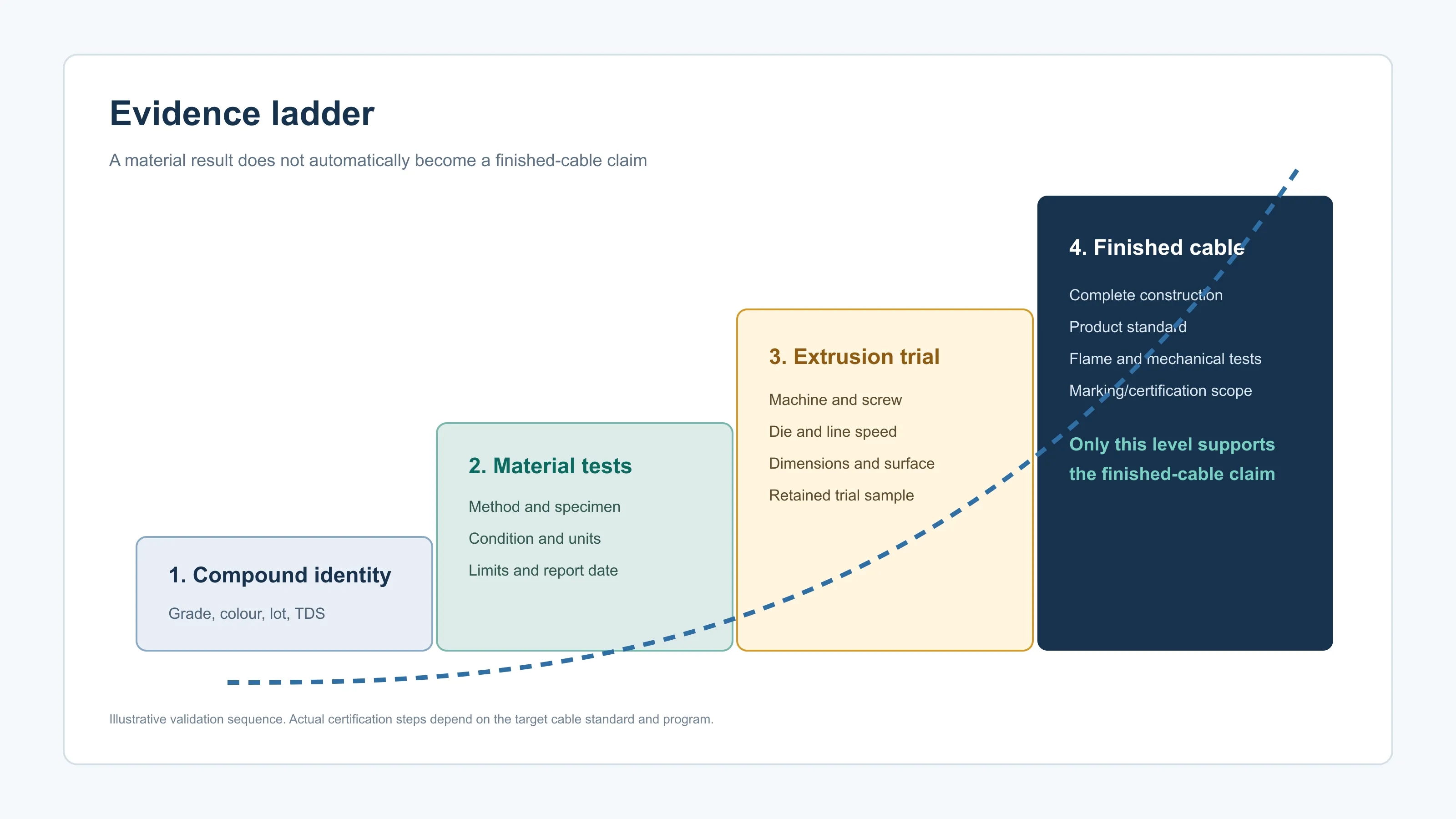 Figure 3. Evidence should progress from the exact compound to the production process and then to the finished cable.
This boundary is especially important for flame performance. A plastic material classification such as UL 94 V-0 is not the same as a wire or cable flame-propagation test. Cable classifications can depend on the complete construction, dimensions, conductor, insulation, fillers, jacket and test arrangement. Do not convert a material statement into a finished-cable claim unless the applicable certification record supports it.
5. Compare PVC compound for cable jacket candidates with a decision matrix
| Application condition | Priority questions | Candidate-grade decision |
|---|---|---|
| Indoor fixed cable | Layer function, target cable standard, dry temperature, flame classification and processing window | Screen a grade only after the exact cable type and tests are named |
| Outdoor or wet location | Wet rating, sunlight exposure, water resistance, colour stability and marking | Require current grade-specific evidence for each claimed condition |
| Oil or chemical exposure | Fluid, concentration, temperature, duration and permitted change after exposure | Use the project method; "oil resistant" alone is not an acceptance criterion |
| Flexible or moving cable | Movement frequency, bend radius, abrasion, low temperature and service life test method | Validate the full construction; compound hardness alone cannot confirm flex life |
| Regulated market | Applicable directive/standard, exact model, report date, laboratory and scope | Accept only evidence that matches the supplied grade and destination |
Small Boss lists flexible PVC products in its PVC compound category. For the wire and cable application, use the wire and cable compound page as the commercial landing page, but confirm project-specific requirements and evidence before adopting any value from a general webpage.
6. Validate the compound on the customer's extrusion line
A laboratory specimen is necessary but not sufficient. Extrusion behaviour depends on the screw, line speed, die, wall thickness, cooling, pre-drying or material handling, pigment system and the existing process window. A line trial should identify the candidate lot and record settings, dimensions, surface appearance, concentricity or thickness where applicable, stripping behaviour, spark-test observations where required, and the samples retained for later testing.
After the trial, compare the test report with the approved drawing and specification. If the compound formulation, colour system, raw-material source or cable construction changes, decide whether partial or full revalidation is required. This creates a traceable route from sample to production instead of relying on a generic product description.
7. Information to send with a cable jacket compound inquiry
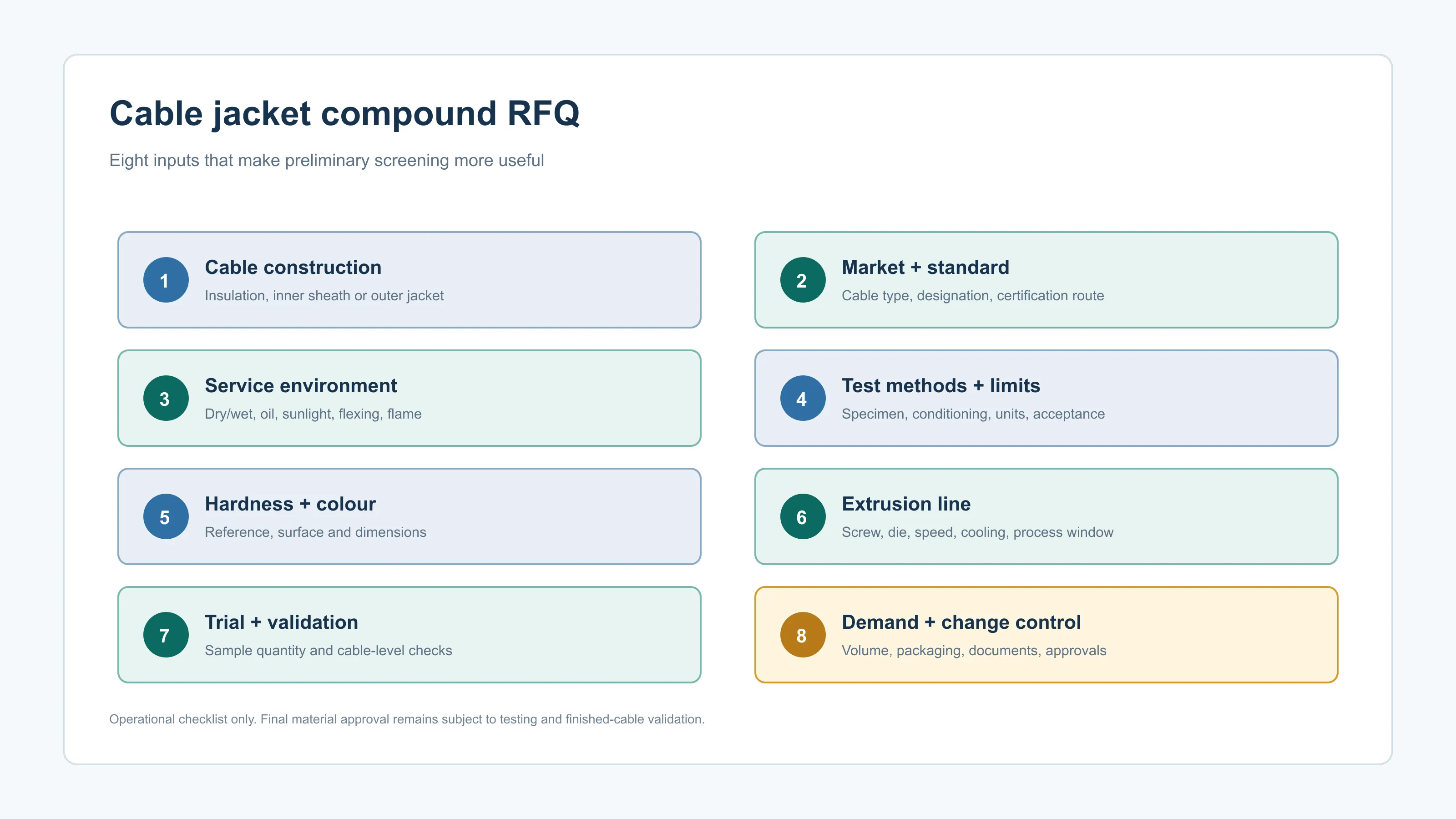 Figure 4. Recommended RFQ inputs for preliminary compound screening.
- Cable construction and whether the material is insulation, inner sheath or outer jacket.
- Target country, cable standard, type designation and required certification route.
- Dry and wet temperature requirements and low-temperature handling conditions.
- Oil, gasoline, sunlight, weather, abrasion, flexing, flame and smoke requirements.
- Required test methods, limits, specimen conditions and available reference reports.
- Hardness range, colour reference, finished dimensions and surface requirements.
- Extruder, screw information, die, line speed, current processing window and current defect.
- Trial quantity, annual demand, packaging needs and change-control expectations.
FAQ
What is the difference between insulation compound and jacket compound?
Insulation is part of the electrical insulation system around a conductor. A jacket is an outer protective layer. Their test priorities and product-standard requirements may differ, so the cable layer must be identified before grade selection.
Does a 90°C compound automatically make a 90°C finished cable?
No. The finished-cable rating depends on the complete construction, applicable standard, test program and certification record. A material datasheet value cannot be transferred automatically to the cable label.
How should oil and sunlight resistance be specified?
Name the applicable standard or customer method, exposure medium, temperature, duration, specimen and acceptance limits. General phrases such as "oil resistant" or "UV grade" are not enough for approval.
Is UL 94 V-0 the same as a cable flame test?
No. UL 94 is a plastic material flammability classification. Finished wire and cable flame tests use different specimens and arrangements and evaluate the complete cable construction.
What should be confirmed before ordering a production lot?
Confirm the approved grade and colour, test specification, retained sample, line-trial record, finished-cable results, packaging, batch documents and change-control requirements.
Request preliminary PVC compound for cable jacket screening
Send the cable construction, insulation or jacket use, target market and standard, dry/wet temperature, oil, sunlight and flame requirements, hardness range, colour, line speed and current processing issue through the contact form. The technical reply should separate confirmed requirements, assumptions, proposed sample tests and items that still require customer-line or finished-cable validation.
For additional company and product navigation, visit the technical news section.


