
What is the “"fish eye"” count of PVC granules?
"Fish eye" refers to transparent particles that are not plasticized under normal processing conditions. It is a gel particle. The "fish eye" affects the strength of the film, the insulation performance of the cable material, and the sound quality of the record, so some products need to limit the number of "fish eyes”of the resin. For most products, having too many "fish eyes”can roughen the surface and reduce the physical properties of the entire product. The "fish eye" area may also become the center of degradation, leading to product fading.
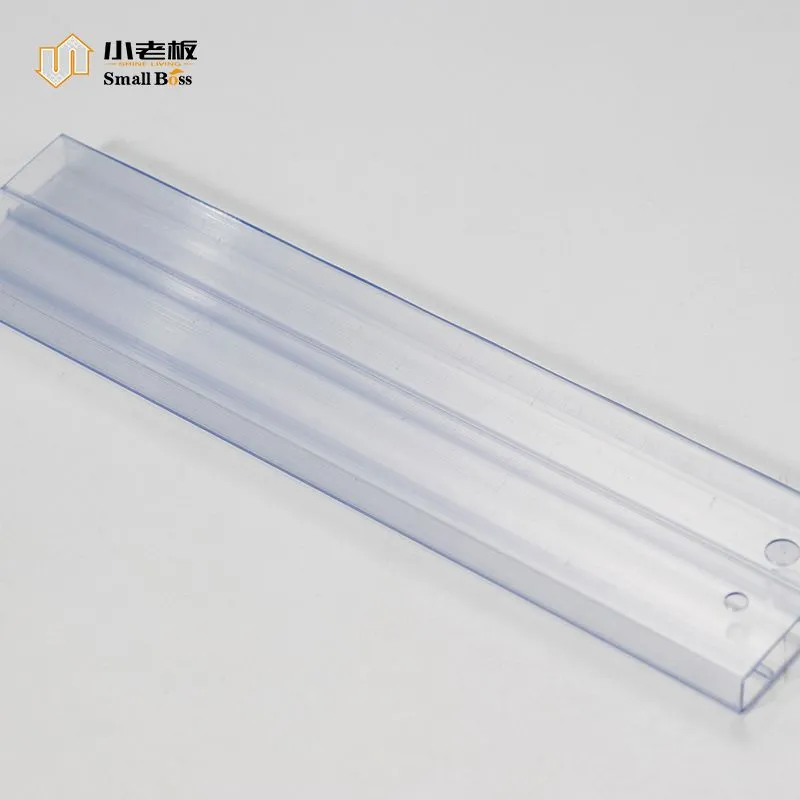
The essence of "fish eyes" is formed during the polymerization process due to improper conditions, with a small amount of ultra-high molecular weight PVC granules with body shape and structure. Due to their low ability to absorb plasticizers, they can only swell the plasticizer under normal processing conditions and cannot be plasticized. However, not all of the "fish eye" problems encountered by processors belong to this type of body structure. Most of them belong to plasticized pseudo "fish eyes", which are linear structural resins with high molecular weight, and their physical configuration is caused by the packaging organization being too tight.
There are multiple pathways for the formation of "fish eyes". For example, if the molecular weight distribution of PVC is too wide, it will result in fast plasticization of low molecular weight molecules and slow plasticization of high molecular weight molecules under the same processing conditions. If the processing conditions are fixed, polymers with slow plasticization will appear as fake "fish eyes" in the products. The formation of "fish eyes" is related to the suspension polymerization formula and process, as well as the PVC granule processing formula and process, and should be carefully analyzed and treated differently.
The main measures to reduce or eliminate "fish eyes" in the production of PVC granules are:
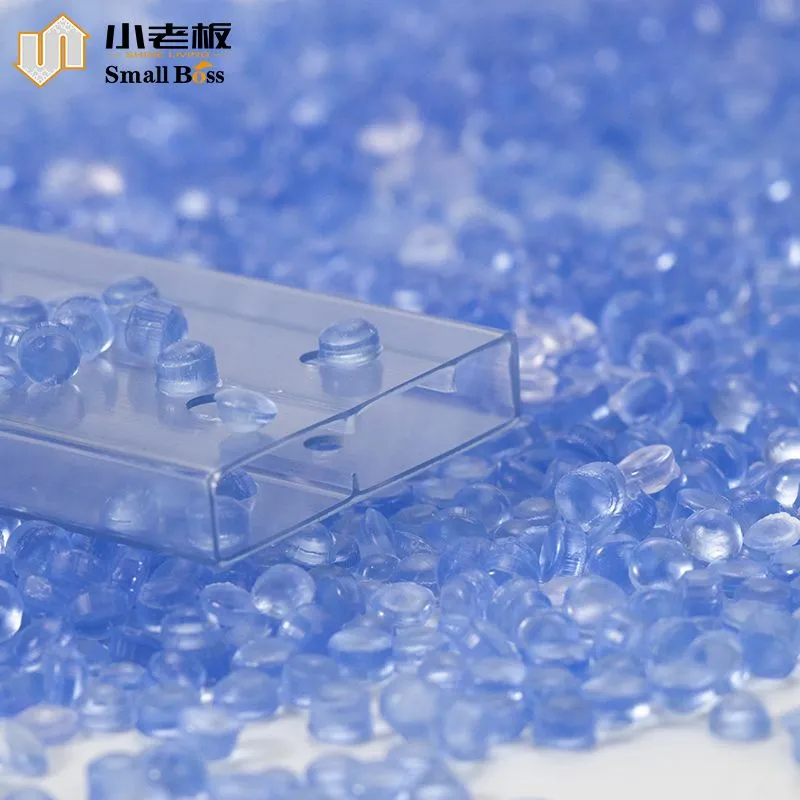
(1) Ensure that the content of high boiling substances in the monomer is less than 1.0 × 10⁻¹³;
(2) Strictly control the content of anions and cations in deionized water used for polymerization, as well as the water content of monomers;
(3) Adding chain transfer agents to eliminate free radicals;
(4) Choose a dispersion system with low surface tension, moderate adhesive retention capacity, and moderate stirring strength;
(5) Reduce sticking to the kettle;
For PVC granules processing enterprises, in addition to selecting PVC resin with relatively low "fish eye" count, attention should also be paid to the plasticization and lubrication balance of the processing formula, as well as the matching of processing temperature. Necessary adjustments should be made based on the resin structure and morphology to avoid the occurrence of a large number of false "fish eyes”.
According to the national standard, the determination of "fish eye" count is carried out in accordance with GB/T4611.


