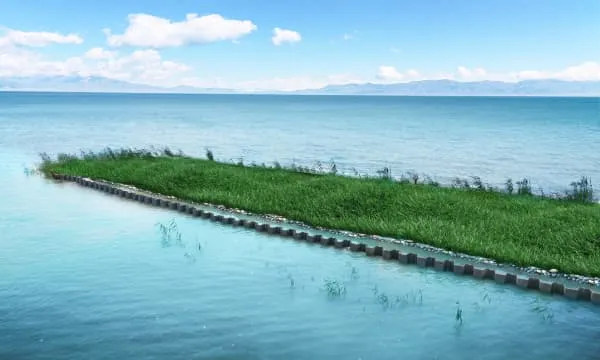
First and foremost, vinyl sheet pile boasts exceptional corrosion resistance— a critical asset in marine construction. Marine environments expose materials to saltwater and harsh elements that quickly degrade traditional options like steel and wood, but vinyl’s resistance ensures long-term durability. This longevity cuts down on frequent replacements, reducing both costs and project disruptions.
Another key benefit is its lightweight nature. Compared to steel or wood sheet piles,
lightweight vinyl sheet pile simplifies transportation, handling, and on-site installation. Fewer heavy-lifting tools and less labor are required, which shortens project timelines and lowers overall labor expenses— a win for both contractors and clients.
Environmental sustainability is also a standout feature of vinyl sheet pile. Many products are manufactured using recycled materials, aligning with modern construction’s eco-friendly goals. Beyond production, its installation supports habitat preservation and restoration: unlike some materials, vinyl does not leach harmful substances into water, helping maintain healthy local marine ecosystems.
Low maintenance is a long-term advantage that adds significant value. Unlike wood, vinyl does not rot, warp, or attract pests; unlike metal, it never needs repainting, galvanizing, or protective coatings to prevent rust. Over its decades-long lifespan, vinyl sheet pile requires minimal upkeep, translating to drastically lower long-term maintenance costs for marine structures.
Finally, vinyl sheet pile offers impressive design versatility. It can be customized in size, shape, and even color to fit diverse marine construction needs— from bulkheads and seawalls to docks, piers, and flood protection barriers. This flexibility means engineers and builders can tailor the material to meet specific project requirements, without compromising on strength or performance.
From corrosion resistance and lightweight efficiency to sustainability, low maintenance, and versatility, vinyl sheet pile delivers multiple advantages that address the unique challenges of marine construction. These traits have made it an increasingly preferred choice among engineers and builders seeking to create resilient, cost-effective, and eco-friendly marine structures.