
The application scenarios for internal and external corner protection strips in construction
Internal Corner Protection Strips:
Drywall Installation: Internal corner protection strips are commonly used in drywall installations to protect and reinforce the corners of walls and ceilings. They provide a straight, smooth, and durable edge that prevents damage and cracking at vulnerable corners.

Interior Finishing: In interior finishing work, such as painting or wallpapering, internal corner protection strips are applied to ensure clean and crisp lines at wall corners. They help create a professional and aesthetically pleasing finish.
Impact Resistance: High-traffic areas, such as corridors or stairwells, often require additional protection against accidental impacts. Internal corner protection strips offer enhanced impact resistance, reducing the risk of damage to the corners of walls.
Moisture Protection: In areas where moisture is a concern, such as bathrooms or kitchens, internal corner protection strips made from moisture-resistant materials like PVC or stainless steel can be used. They provide a barrier against water infiltration and help prevent the development of mold or mildew.
External Corner Protection Strips:
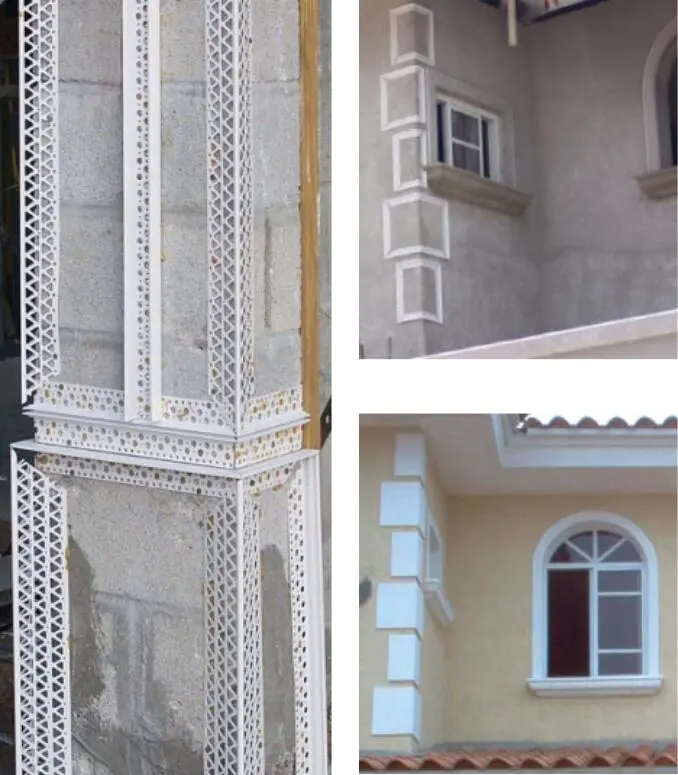
Exterior Wall Construction: External corner protection strips are used during the construction of exterior walls, particularly when using materials like stucco, cement render, or cladding. They provide reinforcement and protection to the corners, which are vulnerable to cracking and weathering.
Impact and Abrasion Resistance: External corners of buildings are exposed to various impacts and abrasions, such as from moving furniture, equipment, or vehicles. External corner protection strips made from durable materials like metal or composite materials offer increased resistance to such damage.
Aesthetic Enhancement: External corner protection strips can also serve as decorative elements, adding visual appeal to the building's exterior. They come in various designs and finishes, allowing architects and designers to create customized looks while providing functional corner protection.
Weatherproofing: External corner protection strips can contribute to the weatherproofing of the building envelope by sealing and reinforcing vulnerable corner joints. This helps prevent water infiltration, air leakage, and the potential for moisture-related issues.
It's important to note that the specific application and choice of internal or external corner protection strips may vary depending on regional construction practices, building codes, and project requirements. Consulting with architects, contractors, or construction professionals is recommended to determine the appropriate type and installation method for corner protection strips in a particular project.


