
Shaping Green Infrastructure with Vinyl Sheet Piling Systems
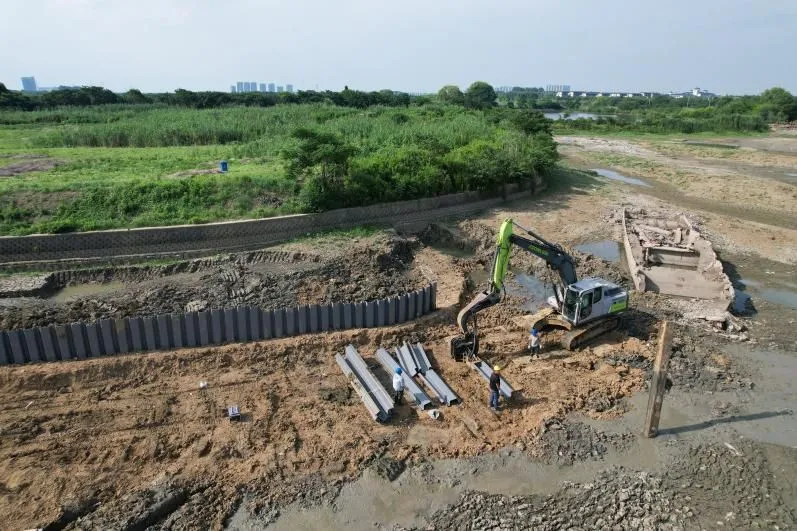
Green infrastructure plays a vital role in managing stormwater, enhancing biodiversity, and improving urban environments. One innovative solution for supporting small retention systems is the use of vinyl sheet piling. This method combines environmental benefits with structural integrity, making it an effective choice for various applications.
Benefits of Vinyl Sheet Piling
Durability: Vinyl sheet piling is resistant to corrosion, rot, and pests, ensuring a long lifespan in various environmental conditions.
Sustainability: Being made from recycled materials, vinyl contributes to sustainability efforts.
Low Maintenance: Unlike wood or metal, vinyl requires minimal maintenance, reducing long-term costs.
Flexibility: It can be easily customized in terms of height and length, allowing for tailored solutions in different locations.
Applications in Green Infrastructure
Retention Ponds: Vinyl sheet piling can create effective barriers for small retention ponds, helping to control water flow and promote infiltration.
Wetlands Creation: By forming the edges of constructed wetlands, vinyl sheets support water retention while enhancing habitat for wildlife.
Erosion Control: The material provides structural support to prevent soil erosion along waterways and slopes
.
Implementation Considerations
Site Assessment: Conduct thorough assessments to determine soil type, water levels, and environmental impact.
Design and Engineering: Collaborate with engineers to design effective systems that integrate with existing landscapes.
Permitting and Compliance: Ensure compliance with local regulations regarding water management and environmental protection.
Conclusion
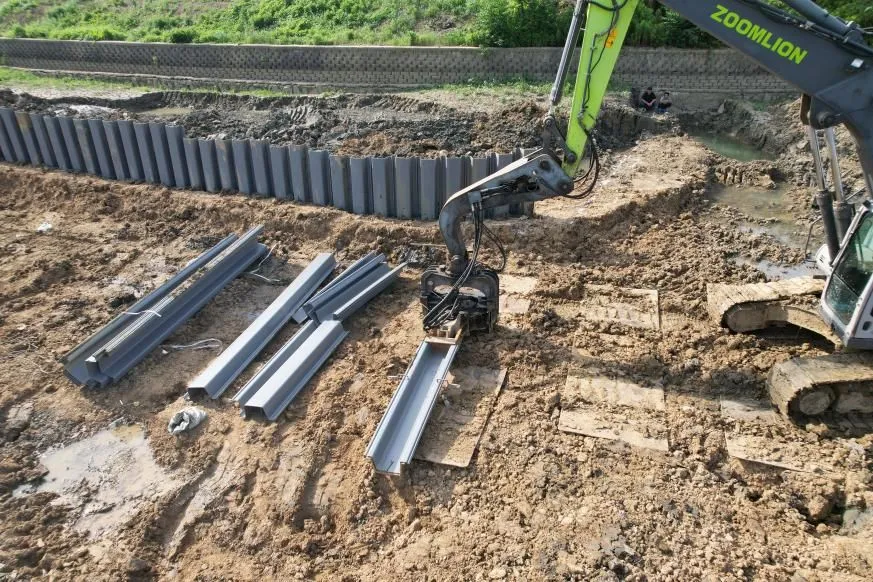
Vinyl sheet piling systems offer a practical solution for shaping green infrastructure and supporting small retention systems. Their durability, sustainability, and low maintenance make them an excellent choice for urban planning and environmental stewardship. By integrating these systems, communities can enhance their resilience to stormwater challenges while promoting ecological health.
Sheet Pile Profile: The profile of the sheet pile plays a crucial role in achieving watertightness. Some sheet pile profiles, such as Z-shaped or U-shaped profiles, provide better sealing capabilities due to their geometry. These profiles create a tighter interlock between the sheets and enhance the overall watertightness of the wall.
Sealant Materials: Sealant materials, such as rubber or polymeric compounds, can be applied to the interlocks or joints to enhance the watertightness of the sheet pile wall. These sealants fill any gaps or irregularities in the connections, creating a more effective barrier against water infiltration.
Sheet Pile Wall Alignment: Proper alignment and installation of sheet piles are critical to achieving watertightness. Ensuring that the sheet piles are accurately placed, vertically aligned, and tightly interlocked minimizes the potential for water leakage through the wall. Careful construction techniques, such as using vibratory hammers or hydraulic presses, help achieve the desired alignment and interlock tightness.
Anchoring and Tieback Systems: Anchoring and tieback systems provide additional stability to the sheet pile wall and help maintain its watertightness. These systems utilize anchors or tie rods that extend into the soil or rock behind the wall. By applying lateral forces to the sheet pile wall, they minimize deflection and potential gaps that could allow water to penetrate.
Grouting and Dewatering: In certain cases, grouting or dewatering techniques may be employed to enhance the watertightness of sheet pile walls. Grouting involves injecting cementitious grout into the soil surrounding the sheet pile wall to fill voids and create a more impermeable barrier. Dewatering methods, such as wellpoints or deep wells, can lower the groundwater table during construction, reducing water pressure against the wall and minimizing potential leakage.
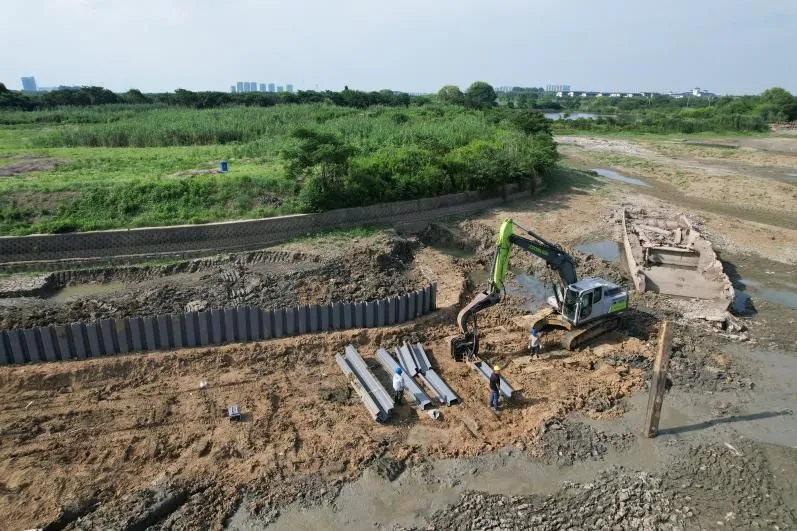
Additional Waterproofing Measures: Depending on the specific project requirements and site conditions, additional waterproofing measures may be incorporated into the sheet pile wall design. These can include the use of geotextiles, drainage systems, or impermeable membranes to enhance the overall watertightness and performance of the wall.


