
Moving bed biofilm reactor(MBBR)used in wastewater treatment
The treatment of wastewater is an important process that is crucial for maintaining a healthy and sustainable environment. Wastewater treatment plants are responsible for ensuring that the wastewater generated by households, industries, and businesses is treated before it is discharged into the environment.
A Moving Bed Biofilm Reactor (MBBR) is one of the most popular technologies used in wastewater treatment around the world. This process is efficient, reliable, and easy to maintain. It uses microorganisms to consume organic matter, removing it from wastewater.
In this article, we will delve deep into the concept of Moving Bed Biofilm Reactors, how it works, and its significance in wastewater treatment processes.
What is a Moving Bed Biofilm Reactor (MBBR)?
A Moving Bed Biofilm Reactor (MBBR) is a type of wastewater treatment system that uses mobile biofilm carriers inside a reactor vessel to provide a surface area for microorganisms to attach and grow. These growths are commonly known as biofilms. That is why the process is referred to as a Moving Bed Biofilm Reactor.
Microorganisms attach to the biofilm carriers, and as wastewater flows through the reactor, the microorganisms consume organic matter, treating the wastewater. The process is efficient because it allows for high concentrations of microorganisms to grow and treat the wastewater in an aerobic or anoxic environment.
How Does an MBBR System Work?
An MBBR system consists of a reactor vessel that contains the biofilm carriers, which are made up of small pieces of plastic media with a high surface area. Wastewater is pumped into the reactor vessel, where it comes in contact with the biofilm carriers.
The biofilm carriers provide a surface area for microorganisms to grow, and as they do, they consume organic matter in the wastewater. The biofilms are in continuous motion, which ensures that the microorganisms have access to oxygen and nutrients for treating the wastewater.
The MBBR system can operate in both aerobic and anoxic conditions. This means it can be used to treat both organic and nitrogenous substances, as well as phosphorus removal. Aerobic conditions improve organic matter removal, while anoxic conditions promote denitrification, which is the removal of nitrogen compounds from wastewater.
What are the Benefits of Using MBBR in Wastewater Treatment?
The use of MBBR for wastewater treatment has become popular due to its numerous benefits. Some of these benefits include:
1. Compact Design - An MBBR system is compact and requires less space than traditional treatment systems as it has a high surface area provided by the moving biofilm carriers inside the reactor vessel.
2. High treatment efficiency - An MBBR system is effective in treating wastewater and can achieve a high removal rate even at peak flow conditions. The moving biofilm carriers ensure that the microorganisms have access to oxygen and nutrients for optimal treatment of organic matter, nitrogen compounds, and phosphorous removal.
3. Easy Maintenance - An MBBR system is easy to maintain and operate, as it doesn’t require much labor. The biofilm carriers are self-cleaning, and the reactor vessel does not require physical cleaning and draining, as compared to other treatment processes.
4. Flexibility - MBBR systems can be adapted to treat various types of wastewater. They can be customized to suit specific treatment requirements, including flow rates, loading rate, and hydraulic retention times.
What are the Benefits of Using MBBR in Wastewater Treatment?
MBBR systems are used in various wastewater treatment applications. Some of the most common applications of MBBR technology include:
1. Municipal Wastewater Treatment - MBBR is used in municipal wastewater treatment plants to remove organic matter, nitrogen compounds, and phosphorus from the wastewater before it is discharged into the environment.
| 2. Industrial Wastewater Treatment -MBBR systems are used in various industries, such as food processing, pharmaceuticals, and chemicals, to treat wastewater generated during production processes. The system can treat a range of substances, including fats, oils, greases, and heavy metals. |  |
3. Landfills and Leachate Treatment - MBBR is used in landfill leachate treatment to remove organic matter, ammonia, and nitrogenous compounds before discharging it into the environment.
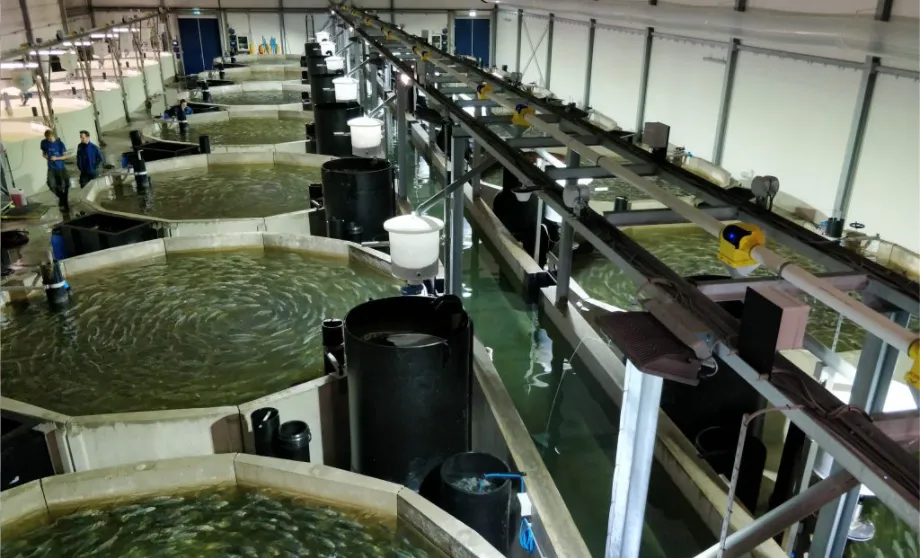
4. Recirculating Aquaculture System- MBBR is used in aquaculture to treat wastewater produced by fish and shrimp farming. The system can remove organic matter, nitrogen, and phosphorus.
Conclusion
The Moving Bed Biofilm Reactor (MBBR) is a technology that has been widely adopted in various wastewater treatment applications. It is efficient, reliable, and easy to maintain. MBBR technology has allowed treatment plants to treat a range of wastewater and meet the required discharge standards. The system's ability to adapt to specific treatment requirements, such as peak flow rates and loading rates, has made it popular in various industries. MBBR is recognized as a proven technology to treat wastewater, and its use is expected to increase as wastewater treatment processes become more advanced. Small Boss are a factory with 31 years of manufacturing experience. Exporting MBBR bio media for 21 years.


