
Key factors affecting the service life of PVC sheet piles
RPVC (polyvinyl chloride) sheet piles typically have a long and durable service life compared to other materials used for sheet pile applications. Here are some key points about the expected lifespan of PVC sheet piles:
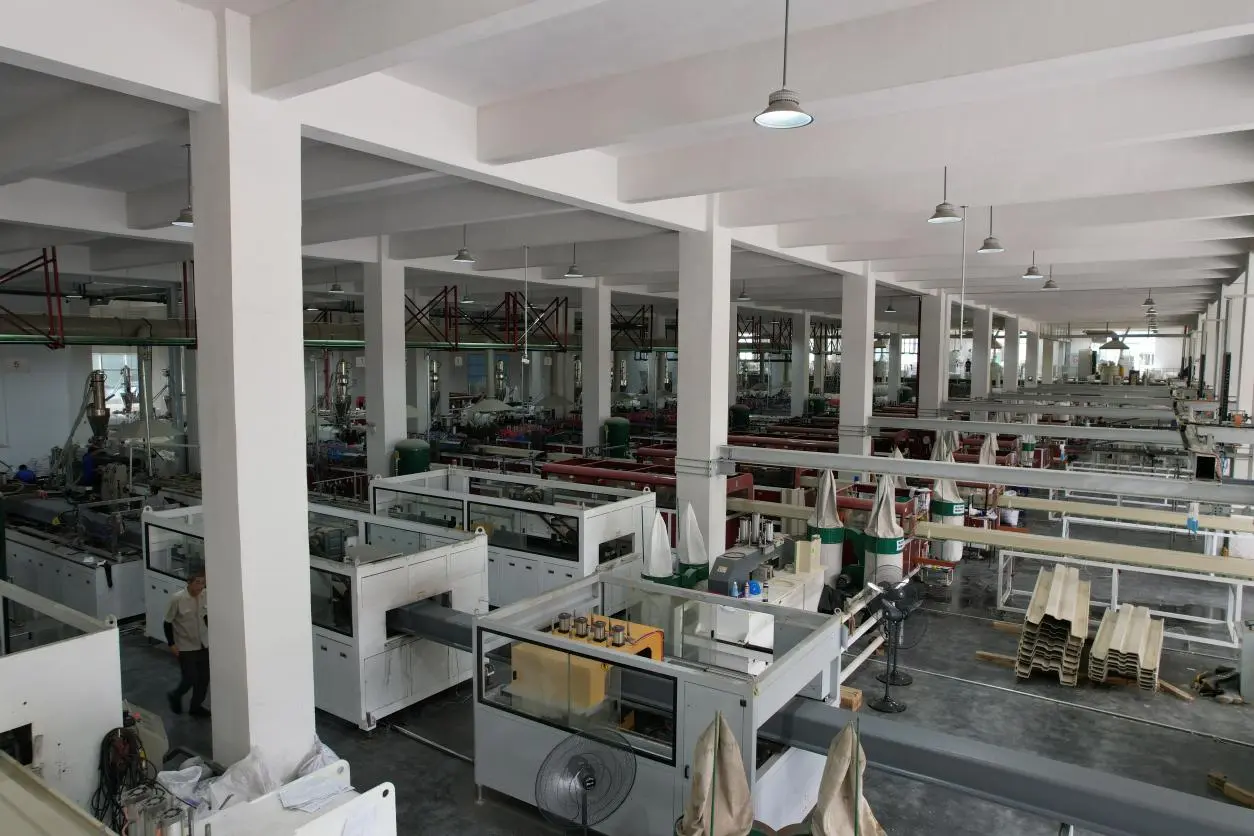
1.Corrosion Resistance:
PVC is highly resistant to corrosion, even in harsh environments such as saltwater, acidic soils, or chemically-contaminated areas.
This resistance to corrosion allows PVC sheet piles to maintain their structural integrity for an extended period, often outlasting steel or concrete alternatives.
2.UV Resistance:
PVC sheet piles are also resistant to degradation from ultraviolet (UV) light exposure, which can be a concern for above-ground or partially submerged applications.
Properly formulated PVC compounds can withstand long-term UV exposure without significant loss of mechanical properties.
3.Estimated Service Life:
Depending on the specific application and environmental conditions, PVC sheet piles can typically provide a service life of 50 to 100 years or more.
In comparison, steel sheet piles may have a lifespan of 20 to 50 years, and concrete sheet piles around 30 to 50 years.
4.Maintenance Requirements:
PVC sheet piles generally require minimal maintenance, as they are not susceptible to common issues like rusting or spalling that can affect steel or concrete alternatives.
Periodic inspections and minor repairs, if necessary, can help maintain the long-term performance of PVC sheet piles.
5.Recyclability:
At the end of their service life, PVC sheet piles can be recycled, making them a more sustainable option compared to other materials that may end up in landfills.
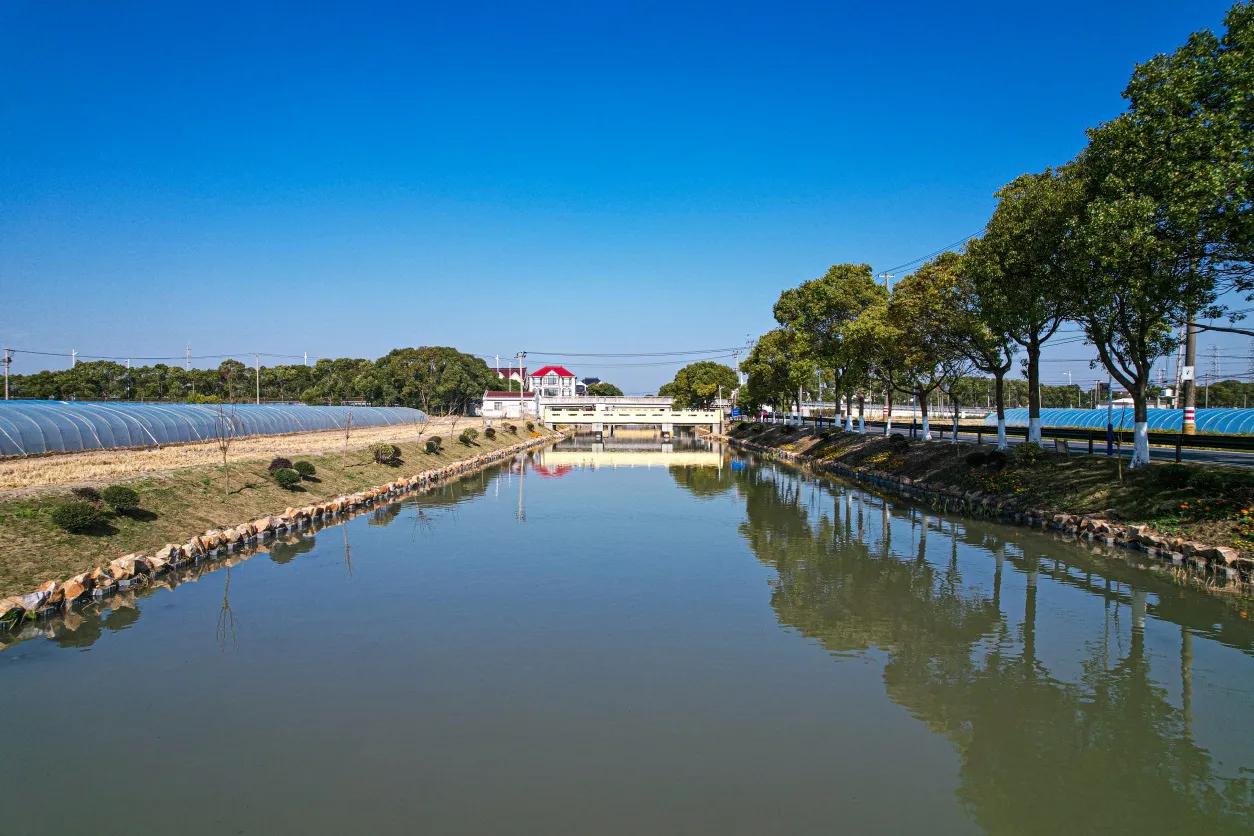
The exceptional durability and low maintenance requirements of PVC sheet piles make them a popular choice for long-term, mission-critical applications in civil engineering, such as waterfront structures, retaining walls, and coastal protection systems. The extended lifespan of PVC sheet piles can provide significant cost savings and reduced environmental impact over the lifetime of a project.


