
Installation Methods of PVC Sheet Piling
Introduction:
The successful installation of PVC sheet piling is crucial for ensuring its effectiveness in various applications, such as riverbank protection and coastal stabilization. This article presents a guide to the different methods commonly used for driving PVC sheet piling into the ground.

Preparing for Installation:
Before starting the installation process, it is essential to conduct a thorough site assessment and obtain the necessary permits or approvals. The following steps outline the general procedure for installing PVC sheet piling:
1.1 Survey and Marking:
Survey the installation area to identify the desired alignment and elevation of the sheet piling. Mark the ground at regular intervals to guide the installation process.
1.2 Clearing and Excavation:
Clear the area of any obstructions, such as vegetation, debris, or rocks, that may hinder the installation. Excavate the soil to the required depth, ensuring a stable foundation for the sheet piling.
Installation Methods:
There are two primary methods for driving PVC sheet piling into the ground: impact driving and vibratory driving. The choice of method depends on factors such as soil conditions, project requirements, and equipment availability.
2.1 Impact Driving:
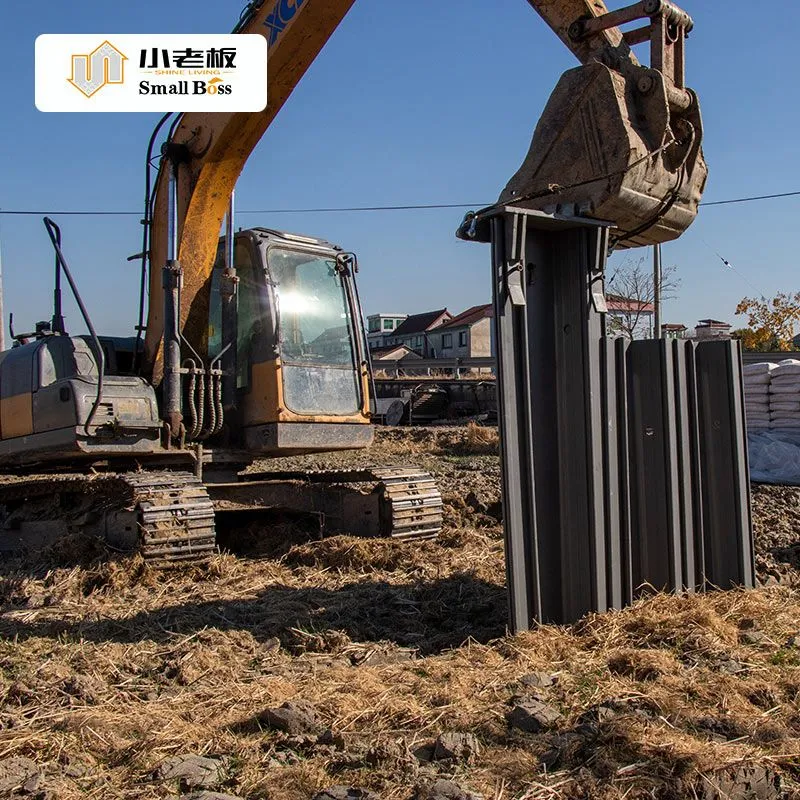
Impact driving involves using a pile driver or hydraulic hammer to forcefully strike the top of the sheet piling, driving it into the ground. The process typically follows these steps:
2.1.1 Positioning the Pile Driver:
Position the pile driver above the first sheet piling section, ensuring proper alignment with the marked location.
2.1.2 Starting the Driving:
Raise the hammer or driver and align it with the top of the sheet piling. Lower it to strike the sheet piling with sufficient force to penetrate the soil.
2.1.3 Driving the Sheet Piling:
Continue driving the sheet piling section until it reaches the desired depth or refusal. Repeat this process for subsequent sections, ensuring proper interlocking between adjacent piles.
2.1.4 Checking Alignment and Verticality:
Regularly check the alignment and verticality of the installed sheet piling using laser levels or other measuring tools. Adjust the driving process as necessary to maintain the desired alignment.
2.2 Vibratory Driving:
Vibratory driving involves using a vibratory hammer or extractor to create vibrations that facilitate the penetration of the sheet piling into the ground. The process typically includes the following steps:
2.2.1 Positioning the Vibratory Hammer:
Position the vibratory hammer above the first sheet piling section, ensuring proper alignment with the marked location.
2.2.2 Starting the Vibrations:
Activate the vibratory hammer to generate vibrations. Lower it slowly onto the sheet piling and gradually increase the amplitude and frequency of the vibrations.
2.2.3 Driving the Sheet Piling:
Simultaneously push down and apply a slight pulling force on the sheet piling to aid its penetration into the soil. Continue the vibratory process until the sheet piling reaches the desired depth.
2.2.4 Checking Alignment and Verticality:
Regularly check the alignment and verticality of the installed sheet piling using laser levels or other measuring tools. Adjust the driving process as necessary to maintain the desired alignment.
Additional Considerations:
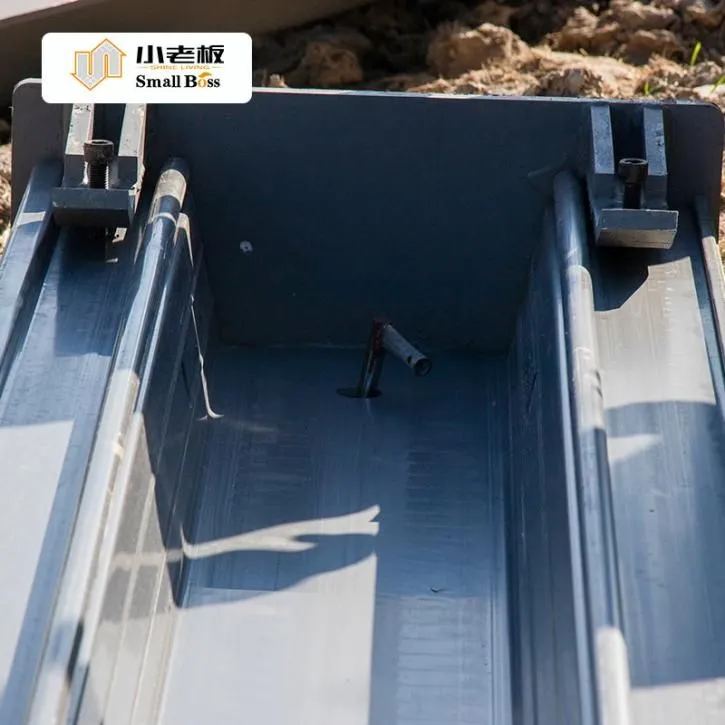
During the installation process, it is crucial to monitor and address any issues that may arise, such as obstructions, changes in soil conditions, or difficulties in achieving the desired depth. Additionally, proper interlocking of adjacent sheet piling sections should be ensured to maintain the integrity of the barrier.
Conclusion:
The installation of PVC sheet piling requires careful planning and adherence to specific methods. Whether using impact driving or vibratory driving, following the outlined steps and considering site-specific factors will help ensure a successful installation. Proper installation techniques are essential for maximizing the effectiveness and longevity of PVC sheet piling in riverbank protection, coastal stabilization, and other applications.


